
Close
Alcohol and Sleep
28فبراير’22
While you may still experience effects of alcohol on your sleep, this buffer time may improve their severity. In short, it’s mainly due to your body rebalancing itself after stopping a substance. And because alcohol is a sedative, the withdrawal can follow the opposite sort of pattern. For example, you might feel overstimulated, restless, and anxious after quitting. And these feelings can make it harder to fall asleep at night. The ideal dosage varies by individual, and factors like age, body weight, sensitivity to melatonin, existing health conditions, and the reason for taking it can all influence how your body responds.
Mental Health Resources
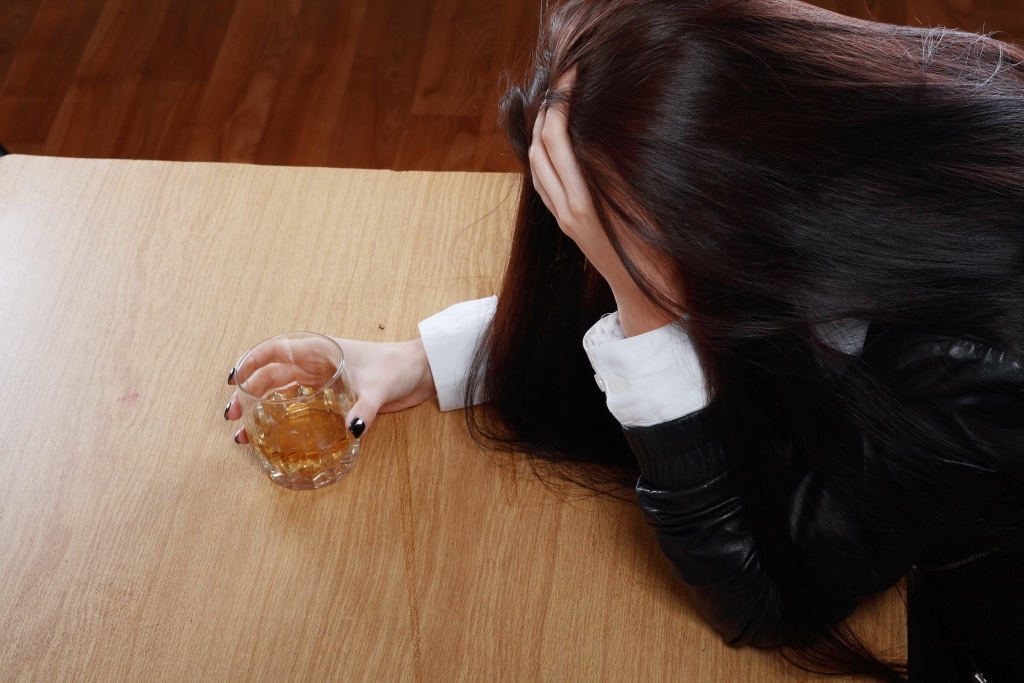
Our state-specific resource guides offer Oxford House a comprehensive overview of drug and alcohol addiction treatment options available in your area. In a normal circadian rhythm, hormones are released at certain times throughout the day. Alcohol interrupts this process, causing abnormalities in how circadian hormones are released. Alcohol also impacts other chemicals like adenosine, which prevents the brain from becoming stimulated. A questionnaire-based cross-sectional survey was conducted with 234 men and 159 women who had visited a general hospital.
- They will also experience shorter periods of sleep, resulting in less restful sleep overall.
- Research shows that between 33% and 40% of people who consume alcohol experience mild to severe anxiety.
- Here is a great article if you want to read more about alcohol and sleep.
- For men, sensorimotor gray matter volumemade a significant independent contribution to N550 amplitude with the amount of varianceexplained significantly improving with the addition of diagnostic group.
Does zolpidem interact with foods or drinks?
Because alcohol’s effects vary for each person, even small amounts can worsen sleep quality for some people. Generally, even healthy alcohol consumption can lead to poor sleep quality. It’s common for someone who’s alcohol-dependent to experience long-term sleep problems since insomnia and other sleep disorders are typical symptoms of alcoholism.
- RLS is a neurological condition characterized by an uncontrollable urge to move the legs, usually due to uncomfortable sensations.
- Even if you think it’s “just this once,” let me explain why this pairing is bad news for your health and safety.
- It also considers ways to manage insomnia and prevent sleep disruption and answers some frequently asked questions.
What should I tell my healthcare provider before using zolpidem?
Among both men and women, depression symptoms and anxiety symptoms were significantly correlated with increased PSQI-K values. Tell your healthcare provider if you are breastfeeding or plan to breastfeed. Your healthcare provider will advise you if you should take zolpidem while breastfeeding. The good news is that these sleep disruptions are temporary, and any insomnia you experience will likely resolve as you persevere through recovery. You may experience your most severe sleep disturbances in the first week, but most people find that it eases up with time.
Causes and risk factors

If sleep disturbances persist despite trying these remedies, it may be time to seek medical help. Telemedicine offers https://ecosoberhouse.com/ a convenient way to consult with a healthcare provider from the comfort of your home. Through telemedicine, you can discuss your symptoms, receive a diagnosis, and explore treatment options without needing an in-person visit. Alcohol-induced sleep disorder is characterized by disrupted sleep patterns due to alcohol consumption. This article will explore its risk factors, symptoms, diagnostic tests, medications, procedures, and home remedies to help manage the disorder. In addition to reducing REM sleep, alcohol affects the body’s circadian rhythms and may cause people to wake up in the middle of the night.
- As a result, they may consume alcohol to speed up falling asleep, but evidence shows this technique does not improve sleep quality.
- During the final hours of sleep when alcohol is metabolized by the body, it can have a disruptive effect on sleep, causing frequent waking and fragmented sleep.
- Many people believe having a drink will help them sleep better.
Side effects of antidepressants with a sedating effect
Many people find themselves wondering how long this sleep disruption will last, especially as they notice changes in their bodies and well-being. This is a common concern, and understanding the factors that contribute to insomnia can provide clarity and a path toward better rest. Low dopamine levels can’t be looked at in a “black and white” way.
Caffeine and Sleep
Even if you think it’s “just this once,” let me explain why this pairing is bad news for your health and safety. If you’ve ever had a drink or two and fallen asleep only to wake up at 2 or 3 a.m., there’s also a reason for that. As alcohol wears off, it can cause a withdrawal effect that can wake you up. Alcohol Help is not a does alcohol cause insomnia medical provider or treatment facility and does not provide medical advice. The treatment centers found on the Alcohol Help site are paid advertisers.
