
Close
The Ultimate Guide to Lentils: Where to Find Them, How to Cook Them, and Their Amazing Health Benefits
19مارس’26
Lentils are a type of legume that are high in nutrients and low in calories, making them an excellent addition to a healthy diet. They are a good source of protein, fiber, and various essential vitamins and minerals, including iron, potassium, and folate. Lentils are also rich in antioxidants and have been shown to have numerous health benefits, including reducing inflammation, improving heart health, and supporting digestive health. With their mild flavor and versatility in cooking, lentils can be easily incorporated into a variety of dishes, from soups and stews to salads and curries.
Can lentils be used as a substitute for meat in meals?
If you notice any of these symptoms, it’s best to err on the side of caution and discard the lentils. You can also try storing your lentils in the fridge or freezer to extend their shelf life. Bulk purchasing lentils can be a great way to save money and reduce waste, but make sure to store them properly to maintain their quality.
Mediterranean Village Organic Yellow Split Lentils
Then, combine them with water or broth in a pot and bring to a boil. Reduce the heat and simmer until the lentils are tender, usually around minutes. Be sure to monitor the cooking liquid, as lentils can absorb a significant amount of water. Some cooks also like to add aromatics like onion and garlic to the pot for added flavor.
Breville BFP800XL Sous Chef Pro 16 Cup Food Processor, Large, Brushed Stainless Steel
Once cooked, store leftover lentils in the refrigerator for up to 3-4 days. Cooking does not significantly reduce the protein content, but it can slightly alter the bioavailability of proteins. All lentil varieties offer substantial protein content, with choices often guided by culinary preferences rather than significant nutritional differences. Incorporating a variety of protein sources alongside lentils in a diet is essential to meet all amino acid requirements efficiently. Although lentils are an excellent plant-based protein source, their amino acid profile is not complete.
Breakfast Recipes
There are more than 18 grams of starch in a single serving of lentils, providing the body with energy. You can also freeze cooked lentils at best apps for weight loss 0°F in an airtight container. The lentils will remain edible for about 1-2 months if they are kept frozen for the entire duration. You can even mix different types of meat and create a delicious legume and meat dish, as is commonly found in many regions around the world.
How Much Protein in Lentils: Understanding Lentil Protein Content
In general, lentils are an excellent source of nutrients that may promote health and wellbeing by helping to reduce the risk of certain diseases and conditions. However, they also contain antinutrients that may interfere with nutrient digestion and absorption. Further research is needed to determine the exact degree of the effects that these antinutrients may have on your health, but cooking can help inactivate them. It is generally recommended that you avoid eating lentils raw or undercooked.
Lentil Varieties
- Always request pesticide residue test results and verify compliance with EU MRLs before importing.
- Chia seeds are derived from the Salvia hispanica plant, which is native to Mexico and Guatemala.
- Indian cooks have understood this for thousands of years, which is why yellow lentils form the foundation of countless dal recipes across the subcontinent.
- They are also relatively inexpensive and can be easily incorporated into a variety of dishes, from soups and stews to salads and curries.
- After about 18 months, they require longer cooking times as they gradually lose moisture.
- They are derived from the seeds of the lentil plant, which is a small, annual legume that is native to the Middle East and Asia.
Often called “superfoods,” they are known for their flavor, nutritional profile, and health benefits. Yellow lentils should be stored in an airtight container in a cool, dry, and dark place, such as a pantry or cupboard. Avoid storing them near heat sources or in direct sunlight, as this can reduce their shelf life and nutritional value.
Yellow Lentils Nutrition Facts
Spelt is a type of wheat and contains gluten, whereas teff originates from an annual grass, meaning that it’s naturally gluten-free. On the other hand, tempeh contains probiotics, B vitamins, and minerals, such as magnesium and phosphorus. A two-ingredient sauce tossed with air-fried crispy tofu, laid on top of a kale caesar salad. Simple and delicious salmon and potatoes roasted on a sheet pan, and covered in a garlic dill butter sauce! These Chicken Teriyaki Burgers are amazingly simple while also being ridiculously delicious. Caramelized burgers that are fried up in minutes, a pile of sesame slaw on top, and a perfectly toasted bun.
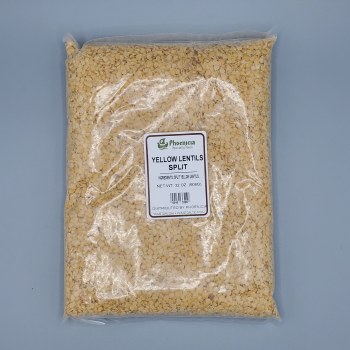
The best way to cook lentils
But you might be wondering, just how much protein is actually in lentils? We’re going to break down the protein content, look at different types, and talk about why they’re so good for you. One cup of cooked lentils has about 18 grams of protein, which is around the same amount found in most other legumes.

How to store raw and cooked lentils?
Lentils can also be used to extend meat or add texture and flavor to dishes, making them a versatile and convenient ingredient for vegetarians, vegans, and meat-eaters alike. Lentils are a nutrient-dense food that compares favorably to other protein sources in terms of nutritional value. They are high in protein, fiber, and various essential vitamins and minerals, making them an excellent choice for vegetarians and vegans. Compared to animal-based protein sources, such as meat and dairy, lentils are lower in saturated fat and higher in fiber and antioxidants. They are also lower in calories and have a lower environmental impact, making them a more sustainable choice for those looking to reduce their carbon footprint.
